Menu
Home
Post Something
Forums
Current Activity
New posts
Search forums
What's new
New posts
Latest activity
News & Features
The Marketplace
Cars for Sale
Engine and Performance
Chassis and Wheels
Exterior and Body
Interior and Cockpit
ICE - In Car Entertainment
Car Shops and Services
Toys and Wares
All Other Stuff
Jobs and Vacancies
Looking For
Members
Log in
Register
What's new
Search
Search
Search titles only
By:
Current Activity
New posts
Search forums
Menu
Log in
Register
Reply to thread
See what others are reading now! Try Forums >
Current Activity
Home
Forums
Main Forums
Car Talk
Car Modification
Before & After ..anti Roll Bar ??
JavaScript is disabled. For a better experience, please enable JavaScript in your browser before proceeding.
You are using an out of date browser. It may not display this or other websites correctly.
You should upgrade or use an
alternative browser
.
Message
<blockquote data-quote="boyzone" data-source="post: 2952393" data-attributes="member: 10370"><p>Some background for Anti roll bar :</p><p></p><p>Anti-roll Bars</p><p></p><p>The primary function of anti-roll bars is to reduce body roll by adding to the roll resistance of the springs.</p><p></p><p>An anti-roll bar, also referred to as a stabilizer or sway bar, is a bar or tube which connects some part of the left and right sides of the suspension system. On independent suspension systems, the connection point is usually the lower control arm.</p><p></p><p>Most cars have a front anti-roll bar, and most sports cars are going to have both a front and rear bar. After market bars are going to be stiffer than the stock ones.</p><p>Roll Resistance</p><p></p><p>Anti-roll bars are used to reduce body roll during cornering. They add to the roll resistance of the suspension springs for a higher overall roll resistance Because the primary purpose of the spring is to maintain maximum contact with the road surface over imperfections, we must settle for the roll resistance provided, and it is rarely enough. The anti-roll bar adds to the roll resistance without resorting to an overly stiff spring. A properly selected anti-roll bar will reduce body roll in corners for improved cornering traction, but will not increase the harshness of the ride, or reduce the effectiveness of the tire to maintain good road surface contact.</p><p></p><p>So, how does limiting body roll improve handling? The suspension system geometry (the lengths and connecting points of its parts) of a street car is designed to keep the bottom of the tire parallel with the road for maximum contact patch. At rest, the car's suspension has a particular geometric relationship to the road surface. Body roll changes that relationship, and reduces the suspension's ability to keep the tire parallel to the road.</p><p></p><p>During body roll, the car body is no longer parallel with the road, and neither is the suspension geometry. Even though the suspension allows the wheel to be somewhat independent from the body, the high cornering forces, and resulting large body roll of a factory car, on the track take the suspension close to its limits where it affects the angle of the wheel.</p><p></p><p>Large amounts of body roll cause the wheels to tilt away from the corner which lifts the edges of the tire and reduces the contact patch size. While this can be compensated for by having the wheel purposely tilted inward to start (adding negative camber), there is a practical limit to this which is not enough in most cars to compensate entirely for the body roll. The anti-roll bar reduces the amount of body roll, and therefore helps to maintain as much of the contact patch as possible.</p><p></p><p>As with all good things, more is better only to a point. Because the anti-roll bar connects the left and right sides, this reduces the independence of independent suspension. Too stiff a bar, and you can cause too much loss in the ability of the left or the right wheel to independently respond to road surface imperfections. The purpose of suspension is to maintain maximum tire contact with the road. The purpose of independent suspension is to allow the left and right wheels to each seek that contact separately. The left wheel may need to be going down when the right needs to be going up. If they were tied together as with the old floating rear axles, one or both of the wheels is not achieving maximum contact. In fact, too stiff an anti-roll bar can actually cause an inside wheel to lift completely off the ground during hard cornering.</p><p></p><p>When cornering, the bar will twist with the outside end being pushed down, and the inside end being lifted (just like the body of the car). On the outside tire, this downward pressure helps increase tire traction. However, on the inside tire, the anti-roll bar is pushing up on the suspension reducing the downward force the spring is trying to place to keep the tire on road. If the anti-roll bar is too stiff, it will overpower the spring, prevent it from extending enough to keep the tire on the road, and the wheel will actually lift off the ground. This is not an optimum situation, but it is common in several racing classes. The cause is not so much poor engineering, but the limitations of the class rules that allow the engineer to compensate for it.</p><p>Roll Coupling</p><p></p><p>The anti-roll bar is also used to tune the roll coupling of the chassis. Roll coupling is the relationship of the roll resistance of the front of the car and the roll resistance of the rear.</p><p></p><p>The balance of the roll coupling, because of its effect on traction, has influence on whether the car has a tendency to understeer or oversteer. While this can be caused by several factors, the anti-roll bar (especially, an adjustable one), can be used to compensate.</p><p></p><p>As we mentioned, the anti-roll bar helps increase the mechanical downforce of the outside tire during cornering. This increases the traction of that tire, and that end of the car (front or rear). An increase in traction at that end, may leave the opposite end with too little traction. An imbalance of traction occurs, and one end of the car will lose traction before the other end. If the front tires lose traction before the rear tires, the car will understeer. If the rear tires lose traction before the front tires, the car will oversteer. Changing the anti-roll bar stiffness can adjust this out.</p><p>Summary</p><p></p><p>The anti-roll bar reduces body roll to keep the suspension geometry, and ultimately the tire, parallel with the road. Stiffer bars reduce body roll more, but too stiff a bar can deteriorate independent suspension performance, and ultimately cause an inside tire to lift off the ground during hard cornering.</p><p></p><p>The anti-roll bar can also be a major tuning element in reducing excessive understeer or oversteer. Used incorrectly it can also cause it.</p><p></p><p>Like other parts you can buy for the car, the "killer" biggest, stiffest anti-roll bar you can buy is rarely going to be the appropriate choice. Look for someone experienced with your car, and can take into account the shocks and springs already installed in your car.<img src="https://zerotohundred.com/forums/styles/default/xenforo/smilies/biggrin.gif" class="smilie" loading="lazy" alt=":biggrin:" title="Biggrin :biggrin:" data-shortname=":biggrin:" /></p></blockquote><p></p>
[QUOTE="boyzone, post: 2952393, member: 10370"] Some background for Anti roll bar : Anti-roll Bars The primary function of anti-roll bars is to reduce body roll by adding to the roll resistance of the springs. An anti-roll bar, also referred to as a stabilizer or sway bar, is a bar or tube which connects some part of the left and right sides of the suspension system. On independent suspension systems, the connection point is usually the lower control arm. Most cars have a front anti-roll bar, and most sports cars are going to have both a front and rear bar. After market bars are going to be stiffer than the stock ones. Roll Resistance Anti-roll bars are used to reduce body roll during cornering. They add to the roll resistance of the suspension springs for a higher overall roll resistance Because the primary purpose of the spring is to maintain maximum contact with the road surface over imperfections, we must settle for the roll resistance provided, and it is rarely enough. The anti-roll bar adds to the roll resistance without resorting to an overly stiff spring. A properly selected anti-roll bar will reduce body roll in corners for improved cornering traction, but will not increase the harshness of the ride, or reduce the effectiveness of the tire to maintain good road surface contact. So, how does limiting body roll improve handling? The suspension system geometry (the lengths and connecting points of its parts) of a street car is designed to keep the bottom of the tire parallel with the road for maximum contact patch. At rest, the car's suspension has a particular geometric relationship to the road surface. Body roll changes that relationship, and reduces the suspension's ability to keep the tire parallel to the road. During body roll, the car body is no longer parallel with the road, and neither is the suspension geometry. Even though the suspension allows the wheel to be somewhat independent from the body, the high cornering forces, and resulting large body roll of a factory car, on the track take the suspension close to its limits where it affects the angle of the wheel. Large amounts of body roll cause the wheels to tilt away from the corner which lifts the edges of the tire and reduces the contact patch size. While this can be compensated for by having the wheel purposely tilted inward to start (adding negative camber), there is a practical limit to this which is not enough in most cars to compensate entirely for the body roll. The anti-roll bar reduces the amount of body roll, and therefore helps to maintain as much of the contact patch as possible. As with all good things, more is better only to a point. Because the anti-roll bar connects the left and right sides, this reduces the independence of independent suspension. Too stiff a bar, and you can cause too much loss in the ability of the left or the right wheel to independently respond to road surface imperfections. The purpose of suspension is to maintain maximum tire contact with the road. The purpose of independent suspension is to allow the left and right wheels to each seek that contact separately. The left wheel may need to be going down when the right needs to be going up. If they were tied together as with the old floating rear axles, one or both of the wheels is not achieving maximum contact. In fact, too stiff an anti-roll bar can actually cause an inside wheel to lift completely off the ground during hard cornering. When cornering, the bar will twist with the outside end being pushed down, and the inside end being lifted (just like the body of the car). On the outside tire, this downward pressure helps increase tire traction. However, on the inside tire, the anti-roll bar is pushing up on the suspension reducing the downward force the spring is trying to place to keep the tire on road. If the anti-roll bar is too stiff, it will overpower the spring, prevent it from extending enough to keep the tire on the road, and the wheel will actually lift off the ground. This is not an optimum situation, but it is common in several racing classes. The cause is not so much poor engineering, but the limitations of the class rules that allow the engineer to compensate for it. Roll Coupling The anti-roll bar is also used to tune the roll coupling of the chassis. Roll coupling is the relationship of the roll resistance of the front of the car and the roll resistance of the rear. The balance of the roll coupling, because of its effect on traction, has influence on whether the car has a tendency to understeer or oversteer. While this can be caused by several factors, the anti-roll bar (especially, an adjustable one), can be used to compensate. As we mentioned, the anti-roll bar helps increase the mechanical downforce of the outside tire during cornering. This increases the traction of that tire, and that end of the car (front or rear). An increase in traction at that end, may leave the opposite end with too little traction. An imbalance of traction occurs, and one end of the car will lose traction before the other end. If the front tires lose traction before the rear tires, the car will understeer. If the rear tires lose traction before the front tires, the car will oversteer. Changing the anti-roll bar stiffness can adjust this out. Summary The anti-roll bar reduces body roll to keep the suspension geometry, and ultimately the tire, parallel with the road. Stiffer bars reduce body roll more, but too stiff a bar can deteriorate independent suspension performance, and ultimately cause an inside tire to lift off the ground during hard cornering. The anti-roll bar can also be a major tuning element in reducing excessive understeer or oversteer. Used incorrectly it can also cause it. Like other parts you can buy for the car, the "killer" biggest, stiffest anti-roll bar you can buy is rarely going to be the appropriate choice. Look for someone experienced with your car, and can take into account the shocks and springs already installed in your car.:biggrin: [/QUOTE]
Insert quotes…
Verification
Post reply
The Marketplace Latest
original rare Rays Volk Racing CE28 17x8jj offset...
Started by
david tao
Chassis and Wheels
Evasive EVS Tuning Carbon Body Kit Honda Civic Type...
Started by
aycy
Exterior and Body
Mugen MS-C Full Bucket Seat Civic Type R FL5 FK8
Started by
aycy
Engine and Performance
Boost Logic Boostlogic Oil Cooler Kit R35 GTR GTR35
Started by
aycy
Engine and Performance
Linney IHI 800WHP Turbo Kit R35 GTR35 GTR
Started by
aycy
Engine and Performance
Varis R35 GTR GTR35 Front Bumper
Started by
aycy
Exterior and Body
HKS Spec R Titanium Exhaust with Y pipe R35 GTR GTR35
Started by
aycy
Engine and Performance
2016 BMW 120i LCI M Sport F20 1.6 Auto
Started by
aycy
Cars for sale
GR Yaris H&R Front Rear Anti Roll Bar
Started by
aycy
Chassis and Wheels
BBS RI-A 10J God Spec FK8 FL5 Honda Civic Type R...
Started by
aycy
Chassis and Wheels
Posts refresh every 5 minutes
Sepang International Circuit relaunches their world-class go-kart circuit
https://www.zerotohundred.com/wp-content/uploads/2011/06/sic3-600x399.jpg
The go-kart circuit at the Sepang International Circuit (SIC) was recently refurbished and has been relaunched together with a new operator...
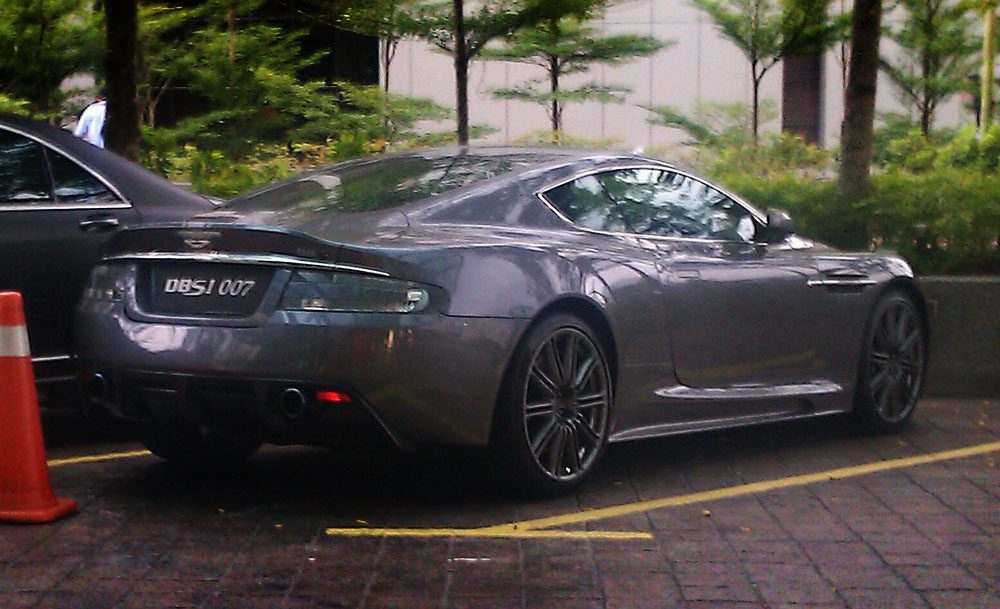
Random Shot: Aston DBS with the fanciest plate spotted in Subang
'(00): Daniel Craig must be having his private Texas Hold'em session nearby. Spotted at Empire Subang, this DBS, the ultimate...
Children f1 pitwalk at sic
Hello everyone, I'm sure many of us here have kids. Seek your all kind assistance to spread the word that on Friday 2nd of April 2010 at 5 p.m, which is after practice session of F1, for the first time in SIC...
Recent Posts
Looking for 2.5-16 cosworth halfcut for 190E
Started by
Tuanku.J
Euro
Thrills and Spills at Zhuhai: Porsche Carrera Cup Asia Rounds 3 & 4 Recap
Started by
The_Mechanic
News and Features
Proton Records High Demand for S70 with 1 Unit Booked every 4 minutes
Started by
The_Mechanic
News and Features
Toyota Malaysia Enters Regional GT Racing with TGR Racing Malaysia
Started by
The_Mechanic
News and Features
Home Win and Double Podium for Akash Nandy at Sepang Season Opener
Started by
The_Mechanic
News and Features
Search
Online now
Enjoying Zerotohundred?
Log-in
for an ad-less experience
Home
Forums
Main Forums
Car Talk
Car Modification
Before & After ..anti Roll Bar ??